Source Print Christmas Onesie for Adults, Kids, and Pets
Compare 30 print christmas onesie options from Hebei, China, featuring long sleeves, digital printing, and custom labels. These knitted polyester sets suit spring, autumn, and winter occasions for women, men, and children.
Key considerations
Products List









Comprehensive Sourcing Guide
Print Christmas Onesie Sourcing Guide
Sourcing print Christmas onesies requires a careful balance between festive aesthetic appeal and functional garment construction, particularly when targeting diverse demographics ranging from infants to adults. The market for these items is characterized by a high degree of customization, where digital printing allows for intricate holiday motifs, family matching sets, and personalized designs that drive seasonal demand. Buyers must navigate a supply chain that often blends casual homewear standards with specific festive styling cues, ensuring that the final product meets both comfort expectations and visual impact requirements. This guide provides a structured approach to evaluating suppliers, verifying technical specifications, and managing commercial risks associated with this niche apparel category.
The procurement process for print Christmas onesies is heavily influenced by the flexibility of the supply base, which frequently offers in-stock items alongside custom design support. Suppliers often operate from manufacturing hubs in regions like Hebei, China, leveraging established textile infrastructure to produce knitted garments using polyester-spandex blends. These materials are selected for their breathability, softness, and stretch, which are critical for sleepwear and casual homewear. Understanding the interplay between material composition, printing technology, and seasonal styling is essential for buyers aiming to secure inventory that aligns with their target market’s preferences for comfort and festive expression.
Product Scope and Observed Listing Signals
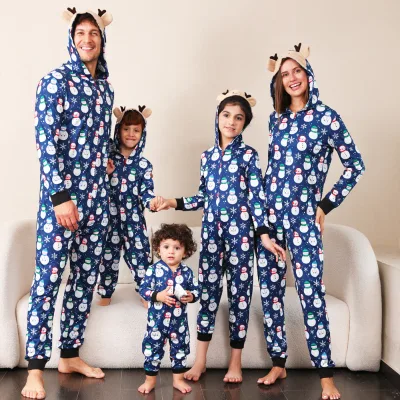
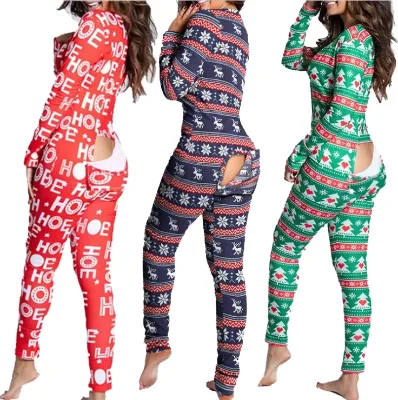
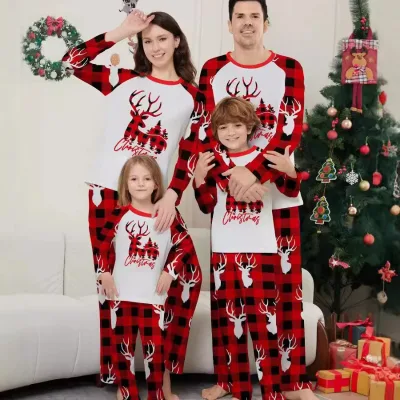
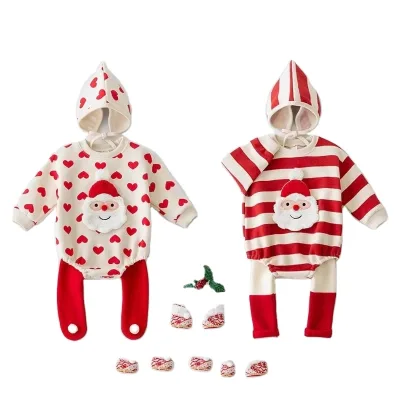
The product scope for print Christmas onesies encompasses a wide range of sizes and styles, catering to unisex, women, men, children, and even pet owners. Listings frequently indicate a "Parent-Child Outfit" type, suggesting that many suppliers offer coordinated sets for families, which is a significant trend during the holiday season. The observed product attributes reveal a strong emphasis on casual and sweet styles, with options ranging from full-length pajamas to specific Christmas-themed models. Buyers should note that while the core item is a onesie or pajama set, the scope often extends to include matching accessories or variations in necklines, such as O-necks or round collars, to suit different comfort preferences.
Observed listing signals highlight the versatility of the supply chain, with many suppliers supporting both standard and customized designs. The presence of digital printing as a primary method indicates that intricate, multi-colored holiday patterns are feasible without the high setup costs associated with traditional screen printing. Furthermore, the availability of sizes from infants (3-6 months) to adults (3XL) and even pets (S, M, L) demonstrates a broad market reach. Buyers should verify if the supplier’s size charts align with their target demographic, as the inclusion of "Dad Size" and "Pet Size" suggests a holistic family-centric approach to inventory management.
Technical Specifications to Verify
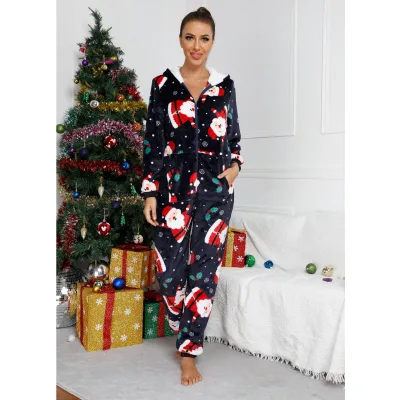
When evaluating technical specifications, the material composition is a primary factor, with many listings specifying a blend of 95% polyester and 5% spandex. This combination offers the necessary elasticity and durability for active wear while maintaining the softness required for sleepwear. Buyers must verify the fabric type, which is often described as knitted, and confirm the weight and thickness, as some listings mention flannel variants for winter warmth. The closure type is another critical detail, with zipper flies being a common feature for ease of dressing, particularly for infant and pet onesies. Ensuring that the zipper quality is robust and safe is essential to prevent malfunctions or safety hazards.
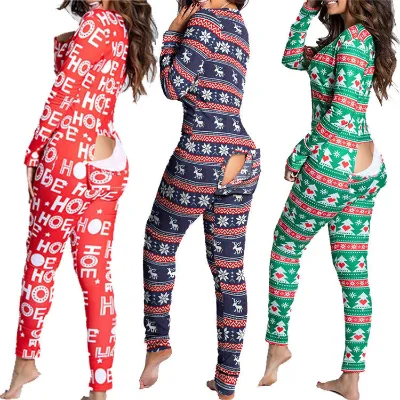
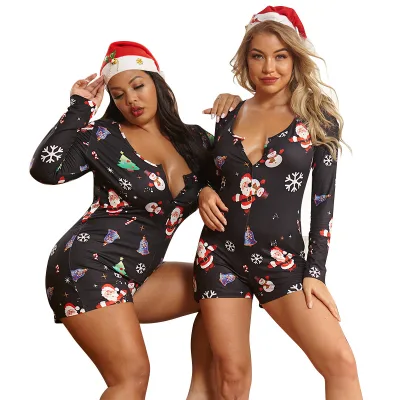
Printing quality and durability are paramount for Christmas-themed garments, where vibrant colors and detailed designs are expected. Digital printing is frequently cited as the method used, which allows for high-resolution images and complex patterns. Buyers should request samples to assess the color fastness and print adhesion, ensuring that the design does not crack or fade after washing. Additionally, the packaging details, such as individual polybags or boxes, should be confirmed to protect the garment during transit. The single package size and gross weight are also important for logistics planning, as they directly impact shipping costs and storage requirements.
Compliance and Safety Documentation
Safety standards are non-negotiable when sourcing onesies, especially for infants and children. Buyers must ensure that the supplier adheres to relevant safety levels, such as Level A, which is often indicated for products intended for younger age groups. This level typically imposes stricter restrictions on chemical residues, flammability, and physical hazards like small parts or sharp edges. While some listings mention OEKO-TEX as a background standard, buyers should not assume certification without explicit documentation. It is crucial to request test reports from accredited laboratories to verify that the garments meet the safety requirements of the destination market, whether it is the EU, US, or other regions.
Documentation should also cover the labeling and care instructions, which must be accurate and compliant with local regulations. The ability to accept customized labels allows buyers to include their own branding, but the supplier must ensure that the label content, including fiber content and country of origin, is correctly printed and attached. Buyers should verify that the safety warnings, such as "Keep away from fire," are present where required. Failure to comply with these documentation requirements can lead to customs delays, product recalls, or legal liabilities, making thorough verification a critical step in the procurement process.
Cost Drivers and Commercial Terms
The cost of print Christmas onesies is influenced by several factors, including material costs, printing complexity, and order volume. The observed price range of $2.96 to $17.50 USD reflects the diversity in product quality, design intricacy, and target market. Lower prices may correspond to simpler designs or smaller sizes, while higher prices could indicate premium materials, complex digital prints, or larger adult sizes. Buyers should analyze the cost structure to understand the value proposition, ensuring that they are not overpaying for basic items or underestimating the cost of high-quality, customized designs.
Commercial terms, such as MOQ and lead times, also play a significant role in the total cost of ownership. The observed MOQ range of 1 to 100 sets offers flexibility for small buyers or those testing new designs, while larger orders may benefit from volume discounts. Lead times, including the 7-day sample order support, are crucial for planning inventory around the holiday season. Buyers should negotiate clear terms for sample approval, production timelines, and shipping methods, such as DHL, UPS, or sea freight, to avoid unexpected delays or costs. Understanding these commercial dynamics helps in budgeting accurately and managing cash flow effectively.
Supplier Qualification and Quality Control
Supplier qualification begins with verifying their production capabilities and quality control processes. Buyers should assess whether the supplier specializes in knitted garments and has experience with digital printing, as these are key technical requirements for Christmas onesies. The location of the supplier, often in Hebei, China, should be considered in the context of their logistical efficiency and communication capabilities. Requesting references or case studies from previous clients can provide insights into the supplier’s reliability and consistency in delivering high-quality products.
Quality control measures should be established before production begins, including pre-production sample approvals and in-line inspections. Buyers should define clear acceptance criteria for print quality, stitching, and material integrity. It is advisable to conduct third-party inspections during production or before shipment to ensure that the final products meet the agreed-upon standards. Establishing a robust quality control protocol helps mitigate the risk of receiving defective goods, which can be particularly costly during the peak holiday season when returns and replacements are difficult to manage.
Long-Term Procurement Checks
Long-term procurement success depends on building a sustainable relationship with suppliers who can adapt to changing market trends and consumer preferences. Buyers should regularly review supplier performance metrics, such as on-time delivery rates, defect rates, and responsiveness to issues. Continuous feedback loops can help identify areas for improvement and foster collaboration on new designs or material innovations. Additionally, staying informed about regulatory changes in the destination market ensures that the supplier remains compliant with evolving safety and labeling requirements.
Diversifying the supplier base can also reduce risk and enhance resilience. While maintaining a primary supplier for core items, buyers may consider engaging secondary suppliers for specific styles or sizes to ensure continuity of supply. Regular audits and site visits, if feasible, can provide deeper insights into the supplier’s operational practices and commitment to quality. By focusing on long-term partnership and continuous improvement, buyers can secure a reliable supply of print Christmas onesies that meet their customers’ expectations for quality, safety, and festive appeal.
FAQs
What materials are used for the print christmas onesie?
The product is made from 95% polyester and 5% spandex fabric. This knitted material offers a soft and breathable feel suitable for casual homewear and sleepwear occasions during spring, autumn, and winter seasons.
Can I order a sample with a custom design?
Yes, sample orders are supported with a lead time of 7 days. Customized designs are available, and you can request specific packaging details or customized labels to meet your unique requirements before placing a bulk order.
What is the minimum order quantity for these pajamas?
The minimum order quantity is 1 set for this in-stock item. While the general MOQ range observed is 1 to 100, the specific listing supports starting with a single set for testing or small-scale needs.
Which shipping methods are available for delivery?
Shipping options include DHL, EMS, UPS, FedEx, TNT, China Post, air freight, and sea freight. You can select the method that best fits your timeline and budget requirements for receiving the goods from Hebei, China.
Are these pajamas suitable for different age groups?
Yes, the product is available for women, men, children, and babies. Sizes range from infant sizes like 3-6 months up to adult sizes including 2XL, ensuring a fit for various family members in parent-child outfits.
How are the products packaged for shipment?
Each item is packed in one polybag, with 100 pieces placed into one carton. Custom packaging requirements can be accommodated if you specify them, ensuring the goods arrive safely according to your specific needs.
What is the closure type for the pajama set?
The pajama set features a zipper fly closure type. This design element is combined with a round neck and long sleeves to provide a comfortable and secure fit for casual wear and sleepwear purposes.